A Regional Plan for Conservation and Recreation
Building a regional conservation and sustainable recreation strategy through collaborative planning
A Regional Plan for Conservation and Recreation
A grant award from Colorado Parks and Wildlife (CPW) to the Roaring Fork Outdoor Coalition funded a two-year planning process to develop a Strategic Plan for Conservation and Sustainable Outdoor Recreation for the Roaring Fork Watershed.
A grant award from Colorado Parks and Wildlife (CPW) to the Roaring Fork Outdoor Coalition funded a two-year planning process to develop a Strategic Plan for Conservation and Sustainable Outdoor Recreation for the Roaring Fork Watershed. Key outcomes from this planning process include:
- A Toolkit that brings conservation and recreation data together for the first time, providing maps and best practices for high-priority areas for conservation and restoration, as well as local recreation opportunities.
- A Strategic Plan for Conservation and Sustainable Outdoor Recreation that identifies the
Coalition's big ideas and a full list of supporting actions, including the partnerships needed, to realize the community's priorities
The process to complete a regional Strategic Plan for Conservation and Sustainable Recreation is complete. Please check the agendas of your local boards. The Coalition will present the plan to boards from Aspen to Glenwood Springs in the Fall of 2026.
- Pitkin County Open Space and Trails Board and Board of County Commissioners - Joint Meeting September 1 Complete
- City of Aspen Open Space and Trails Board September, 17 5 pm
- Eagle County Open Space Advisory Committee October 11, 5:30 pm
- City of Glenwood Springs Parks and Recreation
Commission October 7, 6 pm
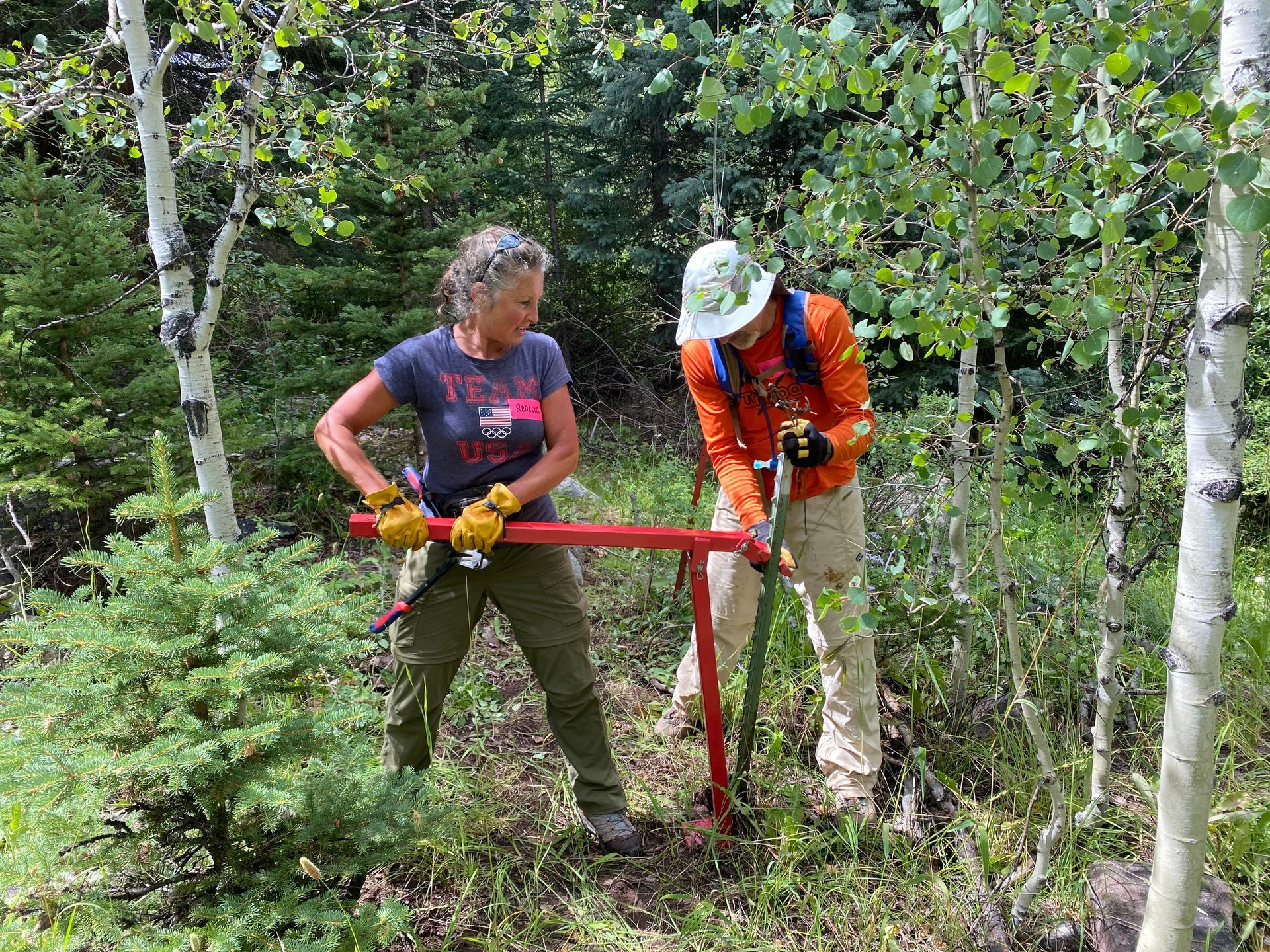
Toolkit
brings conservation and recreation data together for the first time, providing maps and best practices for high-priority areas for conservation and restoration, as well as local recreation opportunities.
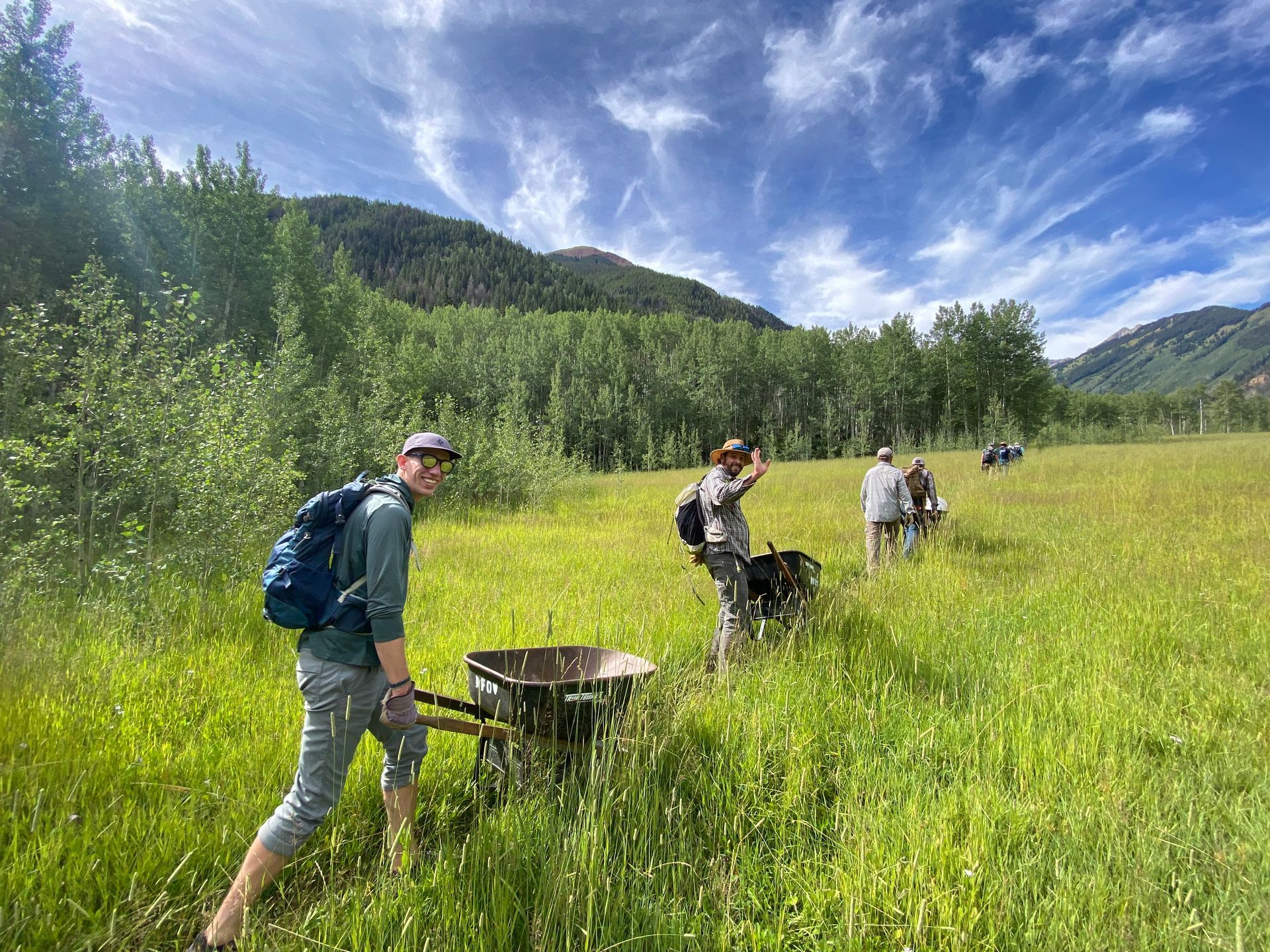
A Strategic Plan for Conservation and Sustainable Outdoor Recreation
identifies the Coalition's big ideas and a full list of supporting actions, including the partnerships needed, to realize the community's priorities
The Strategic Plan Purpose
The strategic plan for the Roaring Fork Watershed is designed to guide coordinated action while recognizing the many jurisdictions, organizations, and plans operating across the region. It clarifies the Coalition’s executive team's role as a convener, connecting dots across projects, partners, and funding, while empowering partners and organizations to lead implementation. The purpose of this structure is to enable alignment, flexibility, and collective impact across jurisdictions.
Roaring Fork Outdoor Coalition Executive Committee Role
The Roaring Fork Outdoor Coalition serves as a regional convener by:
- Aligning priorities across jurisdictions
- Coordinating partners, non-profits, and resources
- Supporting funding and grant alignment
- Advancing shared data and decision tools
- Leading strategic signature initiatives
Community Partner Roles
Implementation is led by community partners, local governments, land managers, and non-profits, who:
- Design and implement projects
- Pursue funding, partnerships, and grants
- Manage programs and sites
- Contribute data and expertise
The DRAFT Big Ideas
The Big Ideas address the Coalition’s community-driven guideposts (priority areas of focus) to help unify efforts across the watershed. These ideas will form the Strategic Plan, which defines the Coalition’s direction, sets watershed-wide goals, and outlines the initiatives and actions needed to achieve them in the next three to five years. As ideas emerge or conditions change, the Coalition’s Toolkit becomes the re-evaluation resource, ensuring this plan remains a living guide for conservation and recreation. The structure of the Executive Committee’s strategic initiatives, Partner-led Action Menu, and the Toolkit’s shared resources allows the Coalition to:
- Support many partners and funding pathways
- Maintain flexibility and adapt to changing needs over time
- Deliver visible, region-wide impact
→ Roaring Fork Outdoor Coalition Executive Committee Signature Initiatives
To focus on impact and support coordinated funding efforts, the Coalition and its partners will prioritize a set of near-term, grant-ready actions. These initiatives are designed to be collaborative and responsive to community-identified needs.
→ Community Partner-Led Action Menu
This plan includes a range of potential initiatives that area partners and nonprofits can advance in line with their missions, capacities, and funding opportunities. This list represents community-generated initiatives, sourced from listening sessions, surveys, and a 60-member community advisory group. By organizing these initiatives around the Coalition's guideposts, the plan creates a flexible “menu” that supports aligned collaboration while allowing for diverse approaches and leadership. The initiatives identified represent opportunities that partners can advance based on:
- Organizational mission
- Capacity and funding
- Geographic focus
The Big Ideas of the Roaring Fork Outdoor Coalition are:
Cross-Jurisdictional Partnerships
From municipal open spaces in Glenwood Springs to wilderness areas above Aspen, the Roaring Fork region is managed by many entities with overlapping goals. The Coalition serves as a connector, helping align agencies, nonprofits, and community voices to streamline efforts, share resources, and foster a unified approach to conservation and recreation in the watershed.
Goals
- Work together to provide consistent and coordinated management across federal, state, and local jurisdictions
- Promote collaboration and partnerships between land managers and local organizations within the Roaring Fork watershed
Executive Committee Signature Initiative #1
Strengthen Regional Coordination and Funding: Advance collaborative conservation and recreation decision-making by convening the RFOC Executive Committee to share information, align strategies, build partnerships, and secure funds to bring ideas to action.
- Shared decision-making resources: Develop and maintain a toolkit with shared data, mapping tools, and accessible best management practices aligned with conservation and recreation priorities to support coordinated decision-making. This includes interactive mapping of conservation and restoration priorities and the spectrum of recreation opportunities. Support the integration of data and maps into land use and infrastructure planning.
- Annual progress report: Produce an annual report that highlights coordinated actions, tracks progress through shared indicators and dashboards, and includes partner reporting.
- Funding: Continue efforts of the RFOC to initiate and fund projects for both conservation and recreation management priorities. Explore alternatives to better facilitate regional funding and partnerships to advance shared priorities and close implementation gaps.
Menu of Partner-Led Actions
- Coordinate with land managers and local enforcement entities to establish consistent enforcement approaches focused on safety, resource protection, and behavior expectations.
- Align and coordinate seasonal closures, wildlife protections, and use restrictions across jurisdictions.
- Develop clear closures information with an emphasis on seasonal information for trails, rivers, and recreation areas beyond winter use.
- Develop cross-jurisdictional e-bike policies and implement a trail safety campaign.
- Formalize partnerships with local nonprofits, outfitters, and stewardship organizations to support education, monitoring, and on-the-ground management through the continuation of RFOC subcommittees.
- Include private landowners and agricultural stakeholders in watershed-wide discussions affecting access, conservation, and recreation pressure.
How We’ll Measure Progress
- Cross-jurisdictional collaborative successes
- Annual land manager and local organization partnership successes
Conservation, Habitat, and Connectivity
The ecological integrity of the Roaring Fork Watershed, its critical wildlife habitat corridors, riparian areas, and alpine habitats, relies on thoughtful conservation. The Coalition works to conserve habitat, strengthen landscape connectivity, and reduce fragmentation by encouraging collaboration across public and private lands throughout the valley.
Goals
- Reduce habitat fragmentation
- Protect or improve biodiversity
Executive Committee Signature Initiative #2
Protect and Restore Ecosystems and Advance Habitat Connectivity Priorities: Advance coordinated conservation and resilience across jurisdictions. Coordinated planning for elements of our watershed that extend beyond jurisdictional boundaries facilitates efficient use of limited resources and more effective plans and implementation strategies.
- Watershed-wide management of invasive species: Coordinate watershed-wide invasive species and noxious weed management, paired with restoration of native vegetation, riparian areas, and prevention of aquatic nuisance species, including prevention, monitoring, and outreach.
- Forest health and climate resilience plan: Fund planning to leverage and align collaboration and strategies to address wildfire risk, drought, and long-term climate adaptation.
- Wetland, riparian, and river corridor plan: Coordinate protection and restoration of critical water resources and habitat corridors while addressing river recreation and water access.
- Wildlife Habitat Improvement: Identify and implement on-the-ground projects that improve the condition, quality, and connectivity of habitats that benefit local wildlife. Protect, rehabilitate, and/or restore native plant communities and ecological processes, particularly the integrity of wetlands and riparian corridors, ungulate winter and transitional range, and pollinator and nesting bird habitats.
- Conservation Easements, Land Acquisitions, and Private Landowner Partnerships: Strengthen private landowner partnerships and/or evaluate and pursue strategic land acquisitions and conservation easements of regional significance to protect biodiversity, reconnect critical wildlife corridors, and keep working lands working.
Menu of Partner-Led Actions
- Advance biodiversity-focused education that explains why habitat protection and connectivity matter to people and ecosystems (in connection with education initiative).
- Coordinate programs to develop pollinator habitats, native seed banking programs, pollinator habitat, and native plants in the landscape to support biodiversity resilience.
- Integrate climate resilience planning to address wildfire risk, drought impacts, and long-term landscape adaptation.
- Coordinate strategic land acquisition, conservation easements, and corridor protection to improve landscape connectivity.
- Integrate habitat connectivity considerations into land use policy and infrastructure investments.
- Address informal access points and unmanaged use.
- Restore and protect wetlands, riparian areas, and beaver-influenced systems.
- Restore native plants to support biodiversity resilience.
- Secure water rights to maintain streamflows to support thriving ecosystems.
- Support the long-term viability of agricultural operations as a critical component of open space, habitat conservation, and cultural heritage.
- Expand and support conservation easements and incentive programs that sustain working landscapes.
- Partner with ranchers and agricultural operators on wildlife-friendly fencing, water infrastructure, and land stewardship practices
How We’ll Measure Progress
- Total acreage of protected lands, including conservation easements
- Restoration projects and/or investment successes
- Acreage of protected quality habitat
- Acreage of protected and/or restored wetlands
Education and Stewardship
Fostering a culture of stewardship throughout the Roaring Fork Watershed starts with accessible, place-based education. The Coalition supports unified communication and programs that inspire residents and visitors to care for the land, deepen their connection to the region, and protect shared outdoor spaces.
Goals
- Empower visitors through education and clear communication
- Build a culture of stewardship and community involvement
Executive Committee Signature Initiative #3
Improve Watershed-Wide Education and Engagement: Build a shared culture of responsible recreation and care for the land.
- Visitor use education initiatives: Convene partnerships among RFOC members, outfitters, businesses, and nonprofits to address priority education needs on topics such as trail etiquette, e-bike use, and responsible recreation practices.
- Visitor information services: Expand the capacity of federal land management partners, and by extension all land managers, by providing front-line visitor support, shared stewardship messaging, and recreation guidance.
- Responsible recreation campaign: Support a unified, watershed-wide responsible recreation education campaign with clear, consistent communication and educational materials that promote safe and responsible outdoor use.
Menu of Partner-Led Actions
- Expand stewardship education focused on preparedness, responsible recreation, and sharing space with wildlife.
- Partner with schools, youth groups, nonprofits, and community organizations to develop hands-on programming for stewardship of the outdoors.
- Develop trail ambassador and roaming educator program to model and reinforce positive behaviors.
- Partner with outfitters, guides, and local businesses as messengers for best practices.
- Support a behavior-based incentives program that encourage responsible recreation practices.
- Develop best-practices and signage for multi-modal trail etiquette aligned across jurisdictions (e.g. equestrian trail use, backcountry skiing and winter access, and motorized recreation where appropriate)
- Formalize partnerships with user groups (equestrian, backcountry, motorized, hunting/angling) and engage these groups in: stewardship programs, education efforts, and trail maintenance and monitoring.
How We’ll Measure Progress
- Education events and participants’ successes
- Number of citations, reported incidents, and ranger staff capacity
- Volunteer events and participation successes
Access and Equity
We envision a region where everyone, regardless of background, language, or ability, feels welcome and empowered to enjoy the outdoors. The Coalition works to remove barriers, like cost, language, transportation, and accessibility, and to ensure our trails and open spaces reflect the diverse needs of outdoor recreationists
Goals
- Create outdoor spaces for everyone
- Provide accessible, diverse, high-quality outdoor opportunities for all user groups
Executive Committee Signature Initiative #4
Connect Communities to the Outdoors: Maintain the resources necessary to track progress toward connecting communities to accessible, diverse, and high-quality outdoor opportunities.
- Outdoor access database: Maintain and update a localized database of access to open space, parks, trails, and water within a 10-minute walk of home.
Menu of Partner-Led Actions
- Ensure planning reflects the full spectrum of how people connect to the land, not just trail-based recreation. Accommodate diverse recreation opportunities across the system rather than meeting all needs in one location and treating all areas the same.
- Ensure destinations match desired skill levels (from beginner to advanced) and the desired experience (ROS spectrum).
- Identify priority sites, trailheads, and facilities for ADA accessibility improvements.
- Develop a regional recreation access hub/webpage with clear, centralized information on accessible recreation opportunities for a diversity of needs and abilities.
- Strengthen multilingual and culturally relevant outreach, including signage, educational materials, and participation across the watershed.
- Expand equipment access and transportation to organizations leading programs outdoors for underserved communities, including gear libraries across.
- Develop programs for free-permits to underserved residents.
- Host free and inclusive community events that welcome new and underrepresented users into outdoor spaces.
- Expand low- and no-cost recreation opportunities, particularly for youth, under-resourced families, and community organizations.
- Promote projects, programs or locations with quiet, low-impact recreation spaces for seniors and people with intellectual or sensory disabilities.
- Recognize and support historic and cultural uses of the land, including ranching, hunting, and long-standing community traditions.
- Maintain and improve trailheads, trailer parking, and staging areas for a diversity of users (e.g. equestrian users, motorized recreation)
How We’ll Measure Progress
- Annual engagement of underrepresented or marginalized communities
- Bilingual signage updates and outreach successes
- Percent of the households within a 10-15 minute walk to a public recreation area, including trails, open space, parks, and water-based recreation
Recreation Volume and Impacts
Growing recreational use in the watershed places pressure on landscapes and user experiences. The Coalition brings together towns, counties, land managers, and community groups to align goals, reduce overlap, and plan for sustainable recreation for future generations.
Goals
- Ensure a positive recreation visitor experience for all
- Protect the places we love to recreate and manage human impact
Executive Committee Signature Initiative #5
Coordinate Recreation Management at a Regional Scale: Coordinate recreation priorities and management across the watershed to reduce impacts and improve user experience.
- Priority Recreation Portals Database: Maintain and update a shared database of recreation portals (access points including trailheads, river access points, boat launches, winter recreation sites, etc.), prioritized based on visitor use experience, capacity, and other management needs, as well as regional significance.
- Recreation opportunities and portal access management: Design and implement improvements at priority portals, including trailheads, river access points, boat launches, and winter recreation sites, such as parking, wayfinding, restrooms, and defined access points. Ensure improvements accommodate a diversity of users (e.g. equestrian users, motorized recreation). Match use with site capacity and conservation priorities, and implement pilot sites that can serve as replicable models across the watershed.
Menu of Partner-Led Actions
- Improve and manage parking at high-use trailheads and river access points.
- Improve trail design and maintenance standards to accommodate mixed-use safely and plan for seasonal and spatial separation of uses where needed.
- Evaluate transportation-based solutions (e.g., shuttles, transit connections) to reduce site-level congestion. Identify pilot transit access to recreation projects, including shuttles and bus stops serving high-use trailheads.
- Implement real-time or seasonal visitor information tools to manage peak visitor use, capacity, and increase compliance with closures at recreation portals.
- Monitor visitor use, review distribution of uses across the watershed, and implement targeted interventions to concentrate use in appropriate locations.
- Expand infrastructure that reduces impact, such as gear-cleaning stations, managed access points, and restrooms.
- Identify appropriate areas for e-bikes and motorized access and reduce resource impacts through designated routes and education.
How We’ll Measure Progress
- Estimated number of users at recreation areas
- Improvements to outdoor recreation opportunities
- Outdoor recreation and resource protection project or initiative success
Our Process
Phase 1
Shared Understanding: Build the foundation for a regional approach through data, research, and coordination. Key efforts include inventorying recreation and conservation conditions, analyzing visitor use, and establishing baseline studies to inform decision-making.
LINK
- Roaring Fork Biodiversity and Connectivity Study (2022)
- Outdoor Recreation Visitor Use and Experience Report (May 2024)
Phase 2
Capacity and Coalition Building: Strengthen partnerships and align regional priorities. This phase focuses on establishing governance, engaging stakeholders, conducting listening sessions, and developing a shared vision framework for conservation and recreation.
LINK
- Symposium Summary (January 2024)
- Listening Sessions Summary (August 2023)
- Coalition Vision Framework (March 2024)
Phase 3
Regional Plan Development & Implementation: Translate priorities into action through a coordinated regional plan. This includes developing decision-making tools, preparing a fundable, actionable plan that identifies the Coalition's signature initiatives, and creating a menu of partner-led projects advancing equitable access and stewardship, followed by implementation and long-term momentum.
Visit the
Decision Support Toolkit